
Description
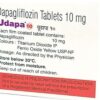
Udapa 10 mg –Tablets
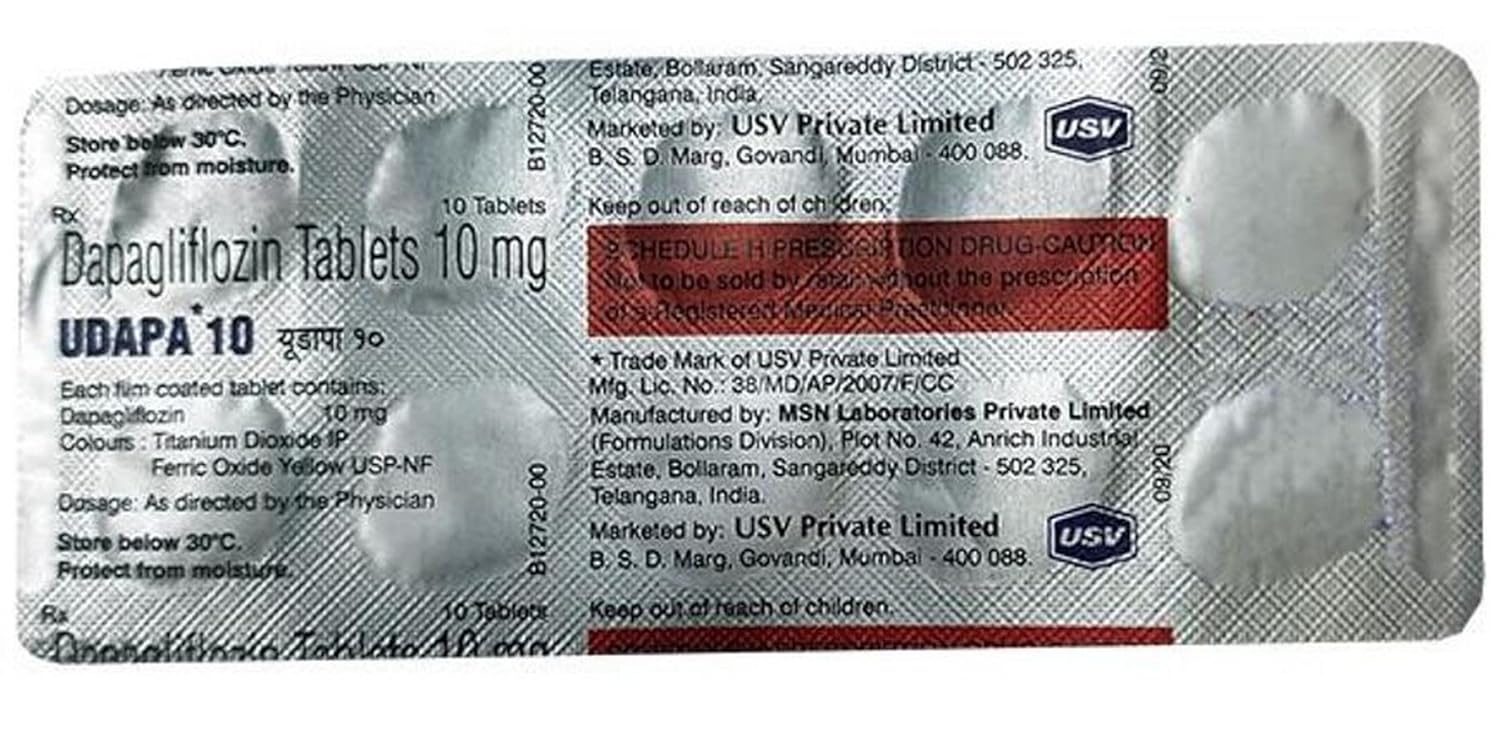
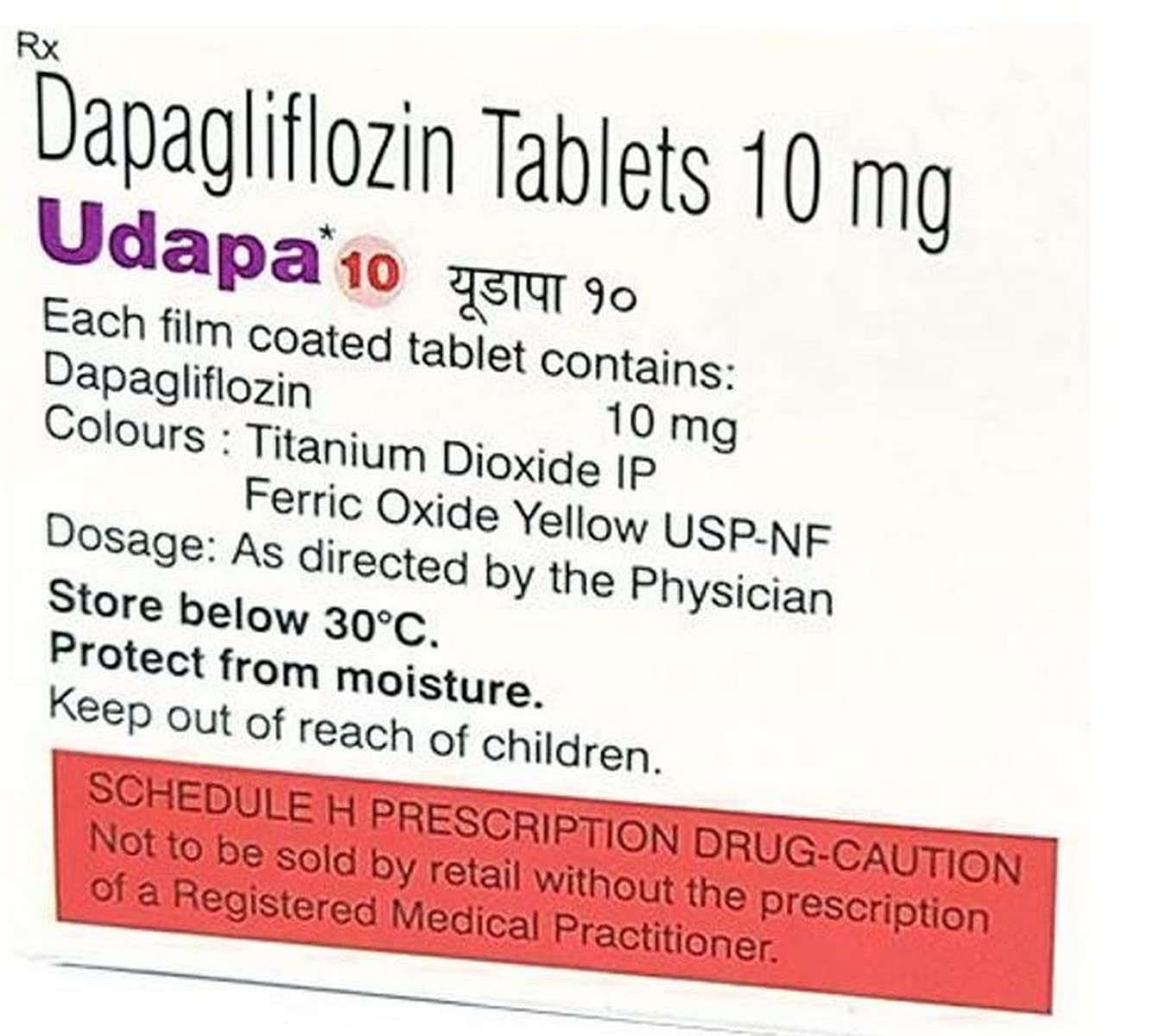
Udapa 10 mg is an oral anti-diabetic medicine used mainly for the treatment of Type 2 Diabetes Mellitus. It contains Dapagliflozin 10 mg as the active ingredient. The medicine belongs to the SGLT2 inhibitor class of anti-diabetic medications.
Udapa helps lower blood glucose levels by removing excess sugar from the body through urine. In addition to blood sugar control, Dapagliflozin may also provide benefits for heart health and kidney protection in selected patients.
The medicine is generally prescribed along with proper diet, exercise, and lifestyle modifications.
Composition
Active Ingredient
Dapagliflozin – 10 mg
Dapagliflozin belongs to the Sodium-Glucose Co-Transporter 2 inhibitor class.
Function of Dapagliflozin
- Reduces glucose reabsorption in kidneys
- Removes excess glucose through urine
- Lowers blood sugar levels
- Supports cardiovascular and renal health in certain cases
Therapeutic Category
- Anti-diabetic medicine
- SGLT2 inhibitor
- Oral hypoglycemic agent
Dosage Form
Udapa 10 mg is available as:
- Oral tablet
- Strip packaging
- Film-coated tablet
Main Uses
Primary Uses
- Type 2 Diabetes Mellitus
- Blood sugar control
- Combination diabetic therapy
Additional Uses
- Heart failure support in selected patients
- Chronic kidney disease support in some cases
- Reduction of cardiovascular risk
How Udapa Works
The kidneys normally reabsorb glucose back into the bloodstream.
Dapagliflozin blocks the SGLT2 protein responsible for glucose reabsorption.
As a result:
- Excess glucose is excreted through urine
- Blood glucose levels decrease
- Calorie loss may support weight reduction
- Osmotic effect may slightly reduce blood pressure
Importance of Blood Sugar Control
Proper blood sugar control helps prevent diabetic complications.
Benefits of Controlled Blood Sugar
- Reduced risk of nerve damage
- Better kidney protection
- Reduced eye complications
- Improved heart health
- Better overall energy levels
Type 2 Diabetes Mellitus
Type 2 Diabetes occurs when:
- The body becomes resistant to insulin
- Insulin production becomes inadequate
- Blood sugar levels rise abnormally
Common Symptoms
- Excess thirst
- Frequent urination
- Fatigue
- Blurred vision
- Increased hunger
- Slow wound healing
Dosage Information
Dosage depends on:
- Blood sugar levels
- Kidney function
- Other medications
- Doctor’s recommendation
General Administration
- Usually taken once daily
- Can be taken with or without food
- Swallow whole with water
- Take at same time daily
Missed Dose
If a dose is missed:
- Take it as soon as remembered
- Skip if next dose time is near
- Do not double the dose
Overdose Information
Overdose may increase risk of:
- Severe dehydration
- Low blood pressure
- Excess urination
- Electrolyte imbalance
Immediate medical attention may be required.
Common Side Effects
Frequently Reported Effects
- Frequent urination
- Increased thirst
- Dry mouth
- Dizziness
- Fatigue
- Mild dehydration
Infection-Related Side Effects
- Urinary tract infection
- Genital fungal infection
Good hygiene and hydration may help reduce infection risk.
Serious Side Effects
Ketoacidosis
Rare but serious condition.
Symptoms
- Nausea
- Vomiting
- Abdominal pain
- Difficulty breathing
- Extreme weakness
Severe Dehydration
Symptoms
- Fainting
- Dizziness
- Low blood pressure
- Confusion
Kidney Problems
Symptoms
- Reduced urine output
- Swelling
- Weakness
Seek urgent medical care if serious symptoms occur.
Urinary Tract Infections
Dapagliflozin increases glucose in urine, which may raise infection risk.
Symptoms of UTI
- Burning urination
- Frequent urge to urinate
- Fever
- Lower abdominal discomfort
Early treatment is important.
Genital Fungal Infections
Higher urinary glucose may support fungal growth.
Symptoms
- Itching
- Redness
- Irritation
- Discharge
Maintaining hygiene may reduce risk.
Dehydration Risk
Increased urination can cause fluid loss.
Prevention Tips
- Drink adequate water
- Avoid excessive heat exposure
- Monitor dizziness
Elderly individuals may be more vulnerable.
Contraindications
Do not use Udapa in:
- Type 1 Diabetes Mellitus
- Severe kidney disease
- Diabetic ketoacidosis
- Severe dehydration
- Known allergy to Dapagliflozin
Warnings and Precautions
Kidney Monitoring
Kidney function tests may be required regularly.
Elderly Patients
Higher risk of dehydration and low blood pressure.
Surgery
Temporary discontinuation may be advised before surgery.
Severe Illness
Medical advice should be taken during severe infection or illness.
Drug Interactions
Udapa may interact with:
- Insulin
- Sulfonylureas
- Diuretics
- Blood pressure medicines
- Alcohol
Interaction risks include:
- Hypoglycemia
- Dehydration
- Blood pressure reduction
Use with Insulin
Combination therapy may improve blood sugar control.
However, monitoring is important because risk of low blood sugar may increase.
Use in Heart Failure
Dapagliflozin may provide heart-related benefits in selected patients.
Potential Benefits
- Reduced hospitalization risk
- Improved fluid management
- Better cardiovascular outcomes
Use depends on medical evaluation.
Use in Kidney Disease
Selected patients with chronic kidney disease may benefit.
Possible Benefits
- Slower kidney function decline
- Reduced protein loss in urine
- Cardiovascular support
Severe kidney impairment may limit use.
Monitoring Parameters
Patients may require monitoring of:
- Blood sugar levels
- HbA1c
- Kidney function
- Blood pressure
- Hydration status
- Weight
Regular monitoring improves treatment safety.
Blood Sugar Monitoring
Fasting Blood Sugar
Measures glucose after fasting.
Postprandial Blood Sugar
Measures sugar after meals.
HbA1c
Reflects average blood glucose over approximately 3 months.
Symptoms of High Blood Sugar
Hyperglycemia Symptoms
- Excess thirst
- Frequent urination
- Fatigue
- Blurred vision
- Increased hunger
Proper medicine adherence helps control these symptoms.
Symptoms of Low Blood Sugar
Risk is lower compared to some medicines but may occur with combination therapy.
Symptoms
- Sweating
- Trembling
- Hunger
- Dizziness
- Weakness
- Confusion
Quick Relief
- Glucose tablets
- Fruit juice
- Sugar candy
Diet Recommendations
Healthy eating is important during diabetes treatment.
Recommended Foods
- Whole grains
- Green vegetables
- High-fiber foods
- Lean proteins
- Fresh fruits in moderation
Foods to Limit
- Sugary drinks
- Refined carbohydrates
- Excess sweets
- Fried foods
Exercise Recommendations
Regular exercise improves insulin sensitivity.
Beneficial Activities
- Walking
- Cycling
- Yoga
- Stretching
- Light jogging
Aim for regular physical activity as advised.
Weight Management
Dapagliflozin may contribute to modest weight reduction.
Reasons
- Glucose loss through urine
- Calorie reduction
Healthy diet and exercise improve results.
Blood Pressure Effects
Mild blood pressure reduction may occur due to fluid loss.
Patients should monitor:
- Dizziness
- Fainting
- Weakness
Especially when using blood pressure medicines.
Use in Elderly Patients
Older adults may require careful monitoring.
Increased Risks
- Dehydration
- Kidney impairment
- Low blood pressure
Adequate hydration is important.
Use During Pregnancy
Use only if clearly advised by healthcare provider.
Medical supervision is important.
Use During Breastfeeding
Consult healthcare professional before use.
Alcohol and Udapa
Excess alcohol may increase:
- Dehydration
- Low blood sugar risk
- Ketoacidosis risk
Limiting alcohol intake is recommended.
Lifestyle Advice for Diabetic Patients
Important Measures
- Maintain healthy body weight
- Exercise regularly
- Monitor blood sugar
- Follow medication schedule
- Avoid smoking
- Stay hydrated
Diabetic Foot Care
Foot Care Tips
- Inspect feet daily
- Wear comfortable footwear
- Keep feet clean and dry
- Avoid walking barefoot
Early care helps prevent complications.
Long-Term Benefits of Diabetes Control
Proper treatment helps reduce risk of:
- Kidney disease
- Nerve damage
- Eye disease
- Heart attack
- Stroke
Packaging Information
Commonly available as:
- Strip of 10 tablets
Packaging may vary.
Storage Instructions
- Store in cool and dry place
- Protect from moisture
- Keep away from sunlight
- Keep out of reach of children
Frequently Asked Questions
Can Udapa cause frequent urination?
Yes, because excess glucose is removed through urine.
Can it help in weight management?
Mild weight reduction may occur in some individuals.
Is hydration important?
Yes, maintaining fluid intake is important.
Can diabetic patients exercise while taking Udapa?
Regular exercise is strongly recommended.
Can it be taken with food?
Yes, it can generally be taken with or without food.
Signs Requiring Immediate Medical Attention
Seek urgent medical help if you experience:
- Severe abdominal pain
- Breathing difficulty
- Fainting
- Severe dehydration
- Persistent vomiting
- Chest pain
Advantages of Udapa
Major Benefits
- Effective blood sugar control
- Once-daily dosing
- Possible weight benefit
- Potential cardiovascular support
- Kidney protection in selected patients
Limitations
Possible Disadvantages
- Increased urination
- Infection risk
- Dehydration risk
- Not suitable for severe kidney disease
Importance of Medical Follow-Up
Regular doctor visits help monitor:
- Blood sugar levels
- Kidney function
- Blood pressure
- Side effects
- Treatment response
General Safety Advice
- Never stop medicine suddenly without advice
- Maintain hydration
- Inform doctors about all medications being used
- Monitor blood sugar regularly
- Keep emergency contact information available
Udapa 10 mg contains Dapagliflozin 10 mg and is used mainly for the treatment of Type 2 Diabetes Mellitus. It lowers blood sugar by helping remove excess glucose through urine.
In addition to glucose control, Dapagliflozin may support heart and kidney health in selected individuals. Proper hydration, healthy diet, exercise, and regular monitoring are important for safe and effective treatment.
Patients should use the medicine only under medical supervision and follow healthcare advice carefully.
This document is intended for educational purposes only and should not replace professional medical advice. Always consult a qualified healthcare professional before starting, stopping, or changing any medication.


Reviews
There are no reviews yet.